
In tropical monsoon environments like Koh Samui, where high humidity and intense UV levels combine with salt air, sealant performance cannot be an afterthought. Acrylic sealants offer a practical, low-toxicity solution for interior and semi-exposed joints in bathrooms, kitchens, and shaded outdoor zones. When specified and applied correctly, they help maintain the long-term integrity of tiled and rendered surfaces, even under challenging coastal conditions.
Where Acrylic Sealants Fit in a Tropical Build
Water-based and low in odour, acrylic sealants are most effective in non-structural joints where regular cleaning, paint blending, and visual continuity are important. They bond well to concrete, render, tile edges, and painted surfaces, and their paintable finish makes them ideal for villas where concealed sealing is part of the design language.
In high-humidity interiors, such as ensuites and kitchen splashbacks, acrylics resist mild fungal growth and salt staining more effectively than general-purpose silicones. In shaded exterior applications, such as soffits, balcony edges, or concealed perimeter joints, they offer reliable flexibility without the shrinkage or cracking often seen in solvent-based options.
They are not intended for structural movement joints or permanently submerged areas. In those cases, polyurethane or hybrid alternatives should be considered.
Application Considerations in Samui’s Climate
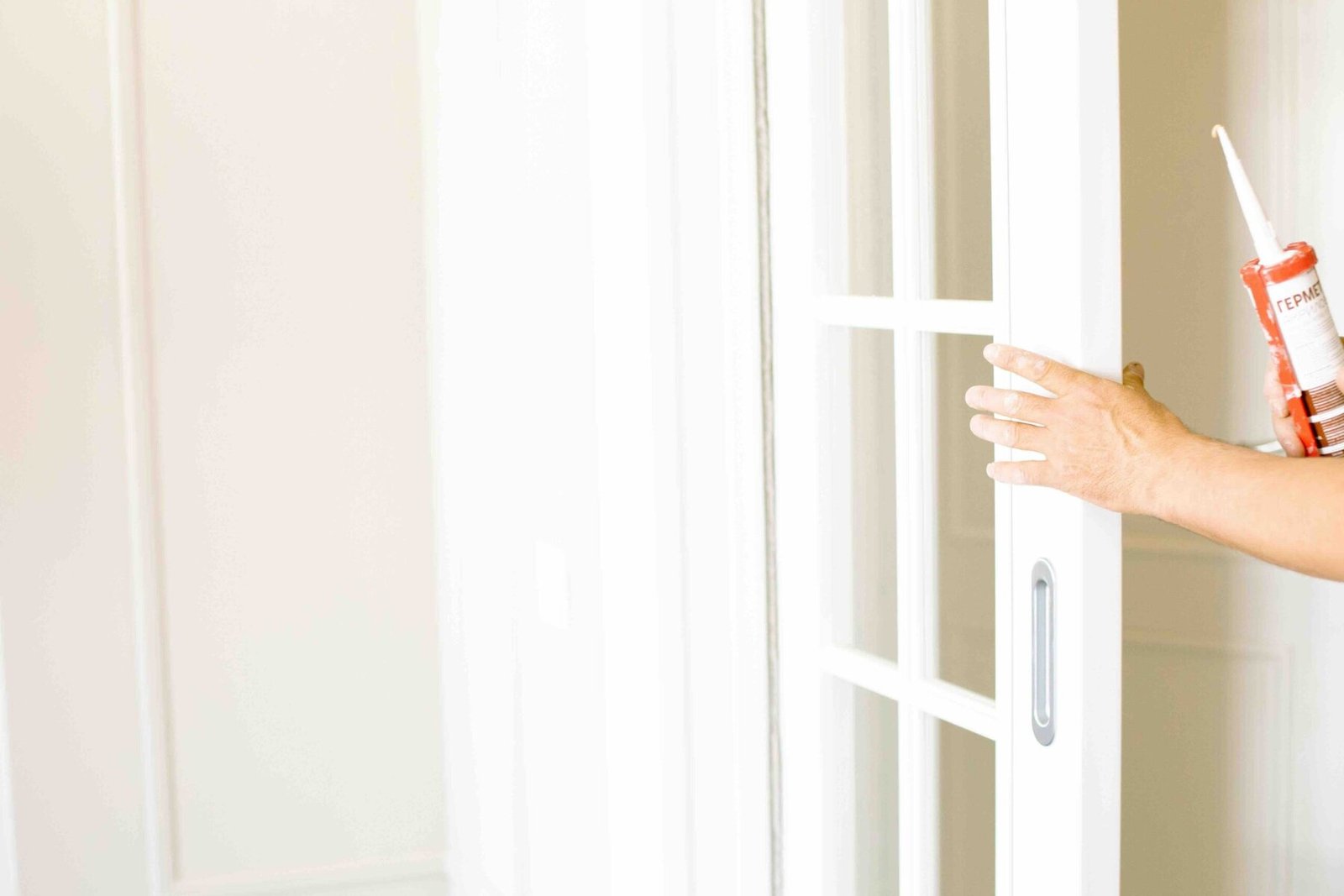
Sealant performance in Koh Samui depends more on how and when it’s applied than on the tube it came from. Clean, stable substrates are essential. Primers should be used on porous materials such as bare render or cement board, and all work should be timed to avoid direct sunlight and high afternoon humidity, which can interfere with adhesion and curing.
Acrylic sealants should be applied with steady pressure and tooled for consistency and adhesion. Poor application often results in microgaps or inconsistent curing, which leads to early failure, especially in monsoon-prone zones where water pressure can find its way into even the smallest voids.
Joint widths of around 5 mm are typical for interior use, and a standard tube will usually cover multiple metres when applied correctly. Allow at least 24 hours of dry conditions post-application to allow full bond strength to develop.
Alternatives and Strategic Use
Acrylic sealants offer a more adaptable finish than silicones, which can yellow or detach under prolonged UV exposure. They also accept paint, unlike polyurethane sealants, which often repel surface coatings and remain visible after finishing.
For projects with tighter budgets or where repainting is expected in future, acrylics offer the advantage of low cost, simple application, and easy overcoating. For exposed structural elements or expansion joints subject to movement, acrylics should be avoided in favour of higher-performance elastomerics.
A hybrid strategy often works best: acrylics for interior finishes and low-stress detailing, and more robust products for the high-movement or fully exposed areas.
What to Specify
Not all acrylic sealants are equal. Choose products that specifically indicate UV and mildew resistance. Packaging may reference ASTM standards for weather exposure or bonding strength. When working with a contractor or tiler, ensure they have direct experience with tropical application conditions, as technique can make the difference between a seal that lasts a decade and one that fails within a season.
Final Thoughts on Acrylic Sealants
Acrylic sealants are not glamorous, but they play an essential role in the resilience and finish of any tropical villa. When thoughtfully specified and properly applied, they offer flexible, paintable performance with a relatively low environmental footprint. Their role is often understated, but in Koh Samui’s demanding climate, it is never minor.
For more tropical detailing strategies and climate-aware material guidance, visit our blog or follow Architect Samui on YouTube for site-proven insights tailored to Koh Samui builds. If you would like to get in touch regarding any architectural services, we would be delighted to talk to you about your project.