

Thermal insulation is valuable for maintaining comfort and energy efficiency in Koh Samui’s hot and humid climate, where average temperatures range from 28 to 32°C and humidity often exceeds 80%. Without effective insulation, villas can experience excessive heat gain, leading to high cooling costs. This post examines glass wool (fibreglass) and other insulation options, evaluates their performance in tropical conditions, and outlines best practices for installation in Koh Samui homes.
Why Insulation Matters in Koh Samui
In tropical villas, heat entering through the roof and walls significantly increases the demand for air conditioning, which can account for 50 to 60 percent of a home’s energy consumption. Using insulation with an R-value of 3.5 or higher helps reduce heat transfer, keeping indoor spaces cooler and energy bills lower. In Koh Samui’s monsoonal environment, where salt air and moisture are constant challenges, insulation must also resist mould and deterioration. Glass wool is a popular choice thanks to its performance in humid climates, but proper material selection and installation are critical to avoid problems such as moisture retention.
Glass Wool: Performance and Suitability
Glass wool, also known as fibreglass batt insulation, is made from spun glass fibres and is non-combustible. It typically provides an R-value of 3.0 to 4.0 at 100 mm thickness, making it well-suited for tropical climates. It resists sagging and mould better than organic materials such as cellulose. Priced at around 90 to 230 THB per square metre, it’s a cost-effective option for roofing, where most heat gain occurs.
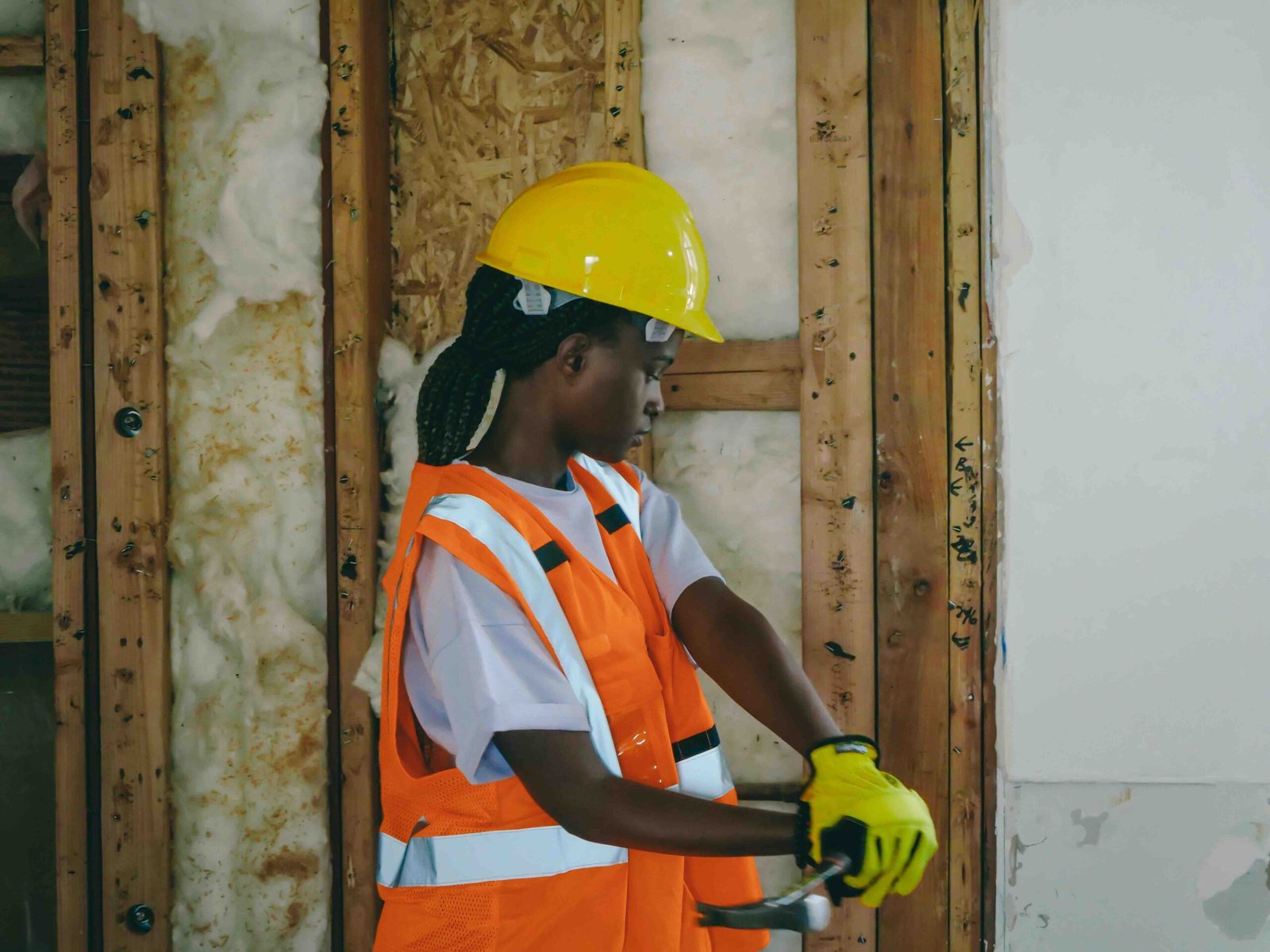
For best results, use 100 to 150 mm thick glass wool (R-value 3.5 to 5.0) in roofs, and 50 to 75 mm (R-value 1.5 to 2.5) in walls of well-ventilated homes. However, insulation is only as effective as its installation. Gaps or compression can reduce its performance by up to 30 percent. Batts must be accurately cut and fitted without crushing. In Koh Samui, a vapour barrier such as foil-faced membranes or polyethylene sheeting is essential to prevent moisture accumulation, especially in walls exposed to driving rain or internal humidity from open-plan living.
Comparing Insulation Alternatives
Glass wool competes with closed-cell spray foam, cellulose, and rigid foam boards. Closed-cell polyurethane foam offers a higher R-value (5.5 to 6.5 per 100 mm) and provides an air barrier, reducing leaks that glass wool alone cannot. However, spray foam costs around 450 to 900 THB per square metre and requires professional installation, making it less suitable for retrofits.
Cellulose, made from recycled paper, is eco-friendly and costs around 140 to 280 THB per square metre, but it absorbs moisture unless chemically treated, making it risky in Koh Samui’s climate. Rigid foam boards such as extruded polystyrene (XPS) offer R-values of 4.5 to 5.0 at 100 mm and resist moisture better than fibreglass, though their higher price (around 360 to 700 THB per square metre) and lack of flexibility make installation challenging in complex roof shapes.
Glass wool remains a practical solution for most homes on the island due to its affordability, fire resistance, and ease of retrofit, provided it is well sealed and paired with good ventilation.
Best Practices for Installation in Koh Samui
In Koh Samui, correct installation is as important as material choice. For roof insulation, install glass wool batts between rafters with no gaps or compression. Seal all joins with foil tape to prevent air leaks. A vapour barrier on the warm interior side blocks humid air from entering the insulation, while roof or ridge vents allow moisture to escape.
For wall insulation, use breathable membranes to allow trapped vapour to escape—completely sealed wall systems can retain humidity, especially during monsoons. Where roof spaces are used for services like air-conditioning, make sure insulation does not obstruct air circulation. In coastal areas, always use corrosion-resistant fasteners, and check vapour barriers yearly for any signs of wear.
Installation costs typically range from 180 to 360 THB per square metre depending on project complexity. Skilled labour is essential, as poor installation can reduce insulation performance by half.
Tip: Consider double-layered insulation in the roof (such as 75 mm plus 50 mm glass wool) to achieve R-values over 4.0. Pair this with reflective foil under the roof sheeting to block radiant heat and cut cooling loads by up to 15 percent.
Practical Considerations and Limitations
Glass wool works especially well in roof and wall applications of air-conditioned villas but is less beneficial in naturally ventilated homes where airflow handles most of the heat load. In such cases, ventilated roof structures or reflective barriers may be more effective. Also, glass wool can irritate the skin and lungs during installation, so proper safety gear is a must.
For budget-conscious projects, consider using glass wool in the roof and combining it with thinner XPS boards in the walls. Glass wool can last 20 to 30 years if kept dry and is recyclable, making it a sustainable option. However, regular checks for moisture ingress during the rainy season are recommended.
Conclusion
Glass wool insulation offers a fire-resistant, cost-effective way to improve thermal performance in Koh Samui villas. With the right detailing, including effective vapour barriers and ventilation, it can reduce cooling costs and improve indoor comfort. For more tropical design advice, visit our blog or contact us. Follow us on YouTube for invaluable practical, architect-led insights from Koh Samui.