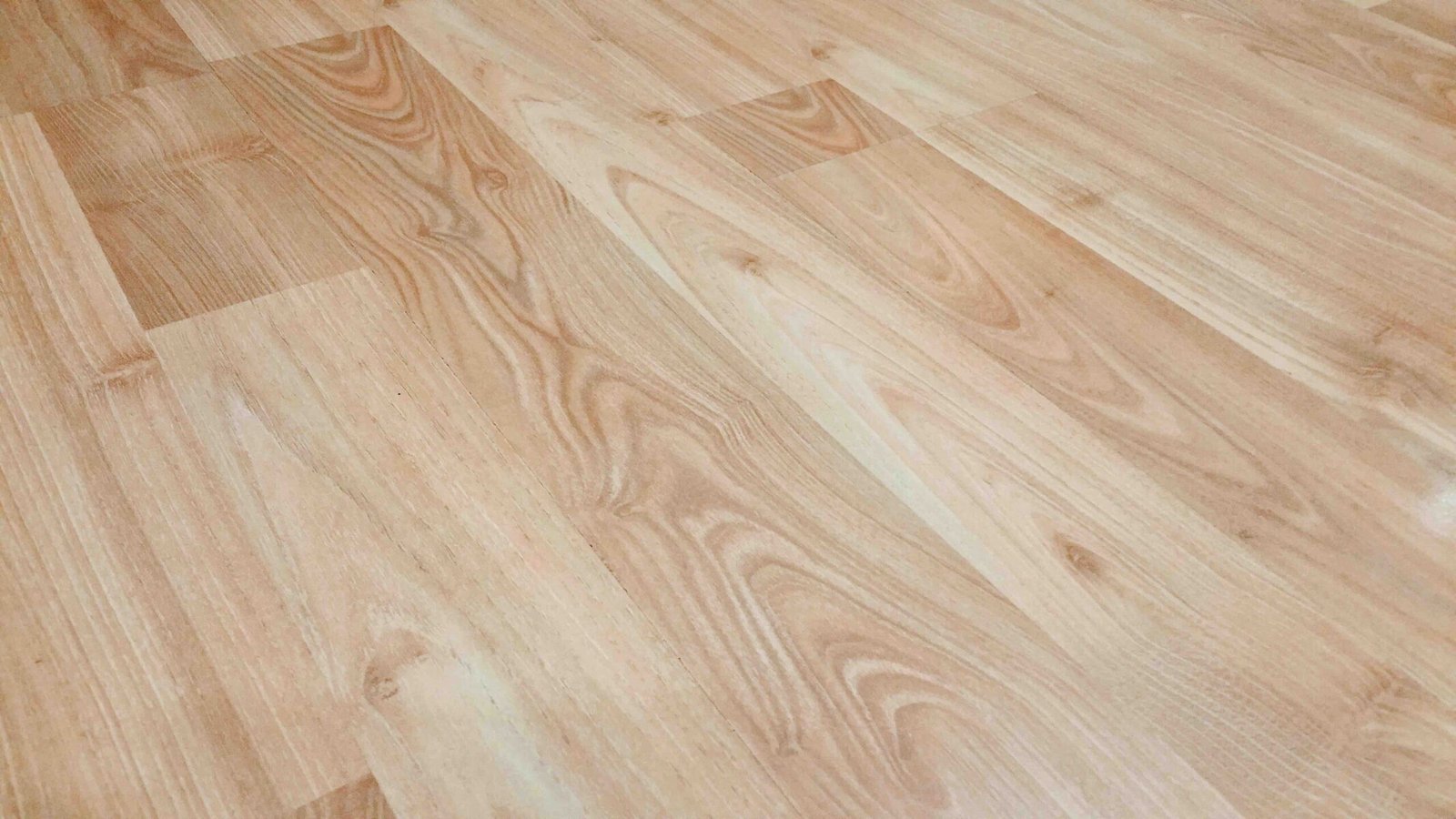
In the tropical heat and humidity of Koh Samui, materials are constantly tested. Some warp. Others fade. A few manage to hold their own with quiet resilience. Vinyl roll flooring is one of those. Durable, moisture-resistant, and increasingly design-forward, it’s an option worth considering for modern villas, particularly in utility areas and high-humidity interiors like kitchens and bathrooms.
Unlike stone or timber, vinyl isn’t trying to impress through natural pedigree. Its strength lies in practicality, longevity, and the ability to mimic more expensive materials without the maintenance they demand in tropical conditions.
A Fit for Tropical Conditions
Today’s vinyl is not what it used to be. With a waterproof construction and a cushioned core, it handles Koh Samui’s 80 to 90% humidity without much complaint. The material remains stable even in the island’s constant 28–32°C temperatures, making it a sensible alternative to average grade laminates or timber, which tend to swell, shrink, or split over time.
Modern vinyls also come with low-VOC formulations and, in many cases, recycled content. While end-of-life disposal remains a challenge, the long lifespan (typically 15 to 20 years), makes it a more sustainable option than it might appear at first glance.
Installation of Vinyl and the Upkeep
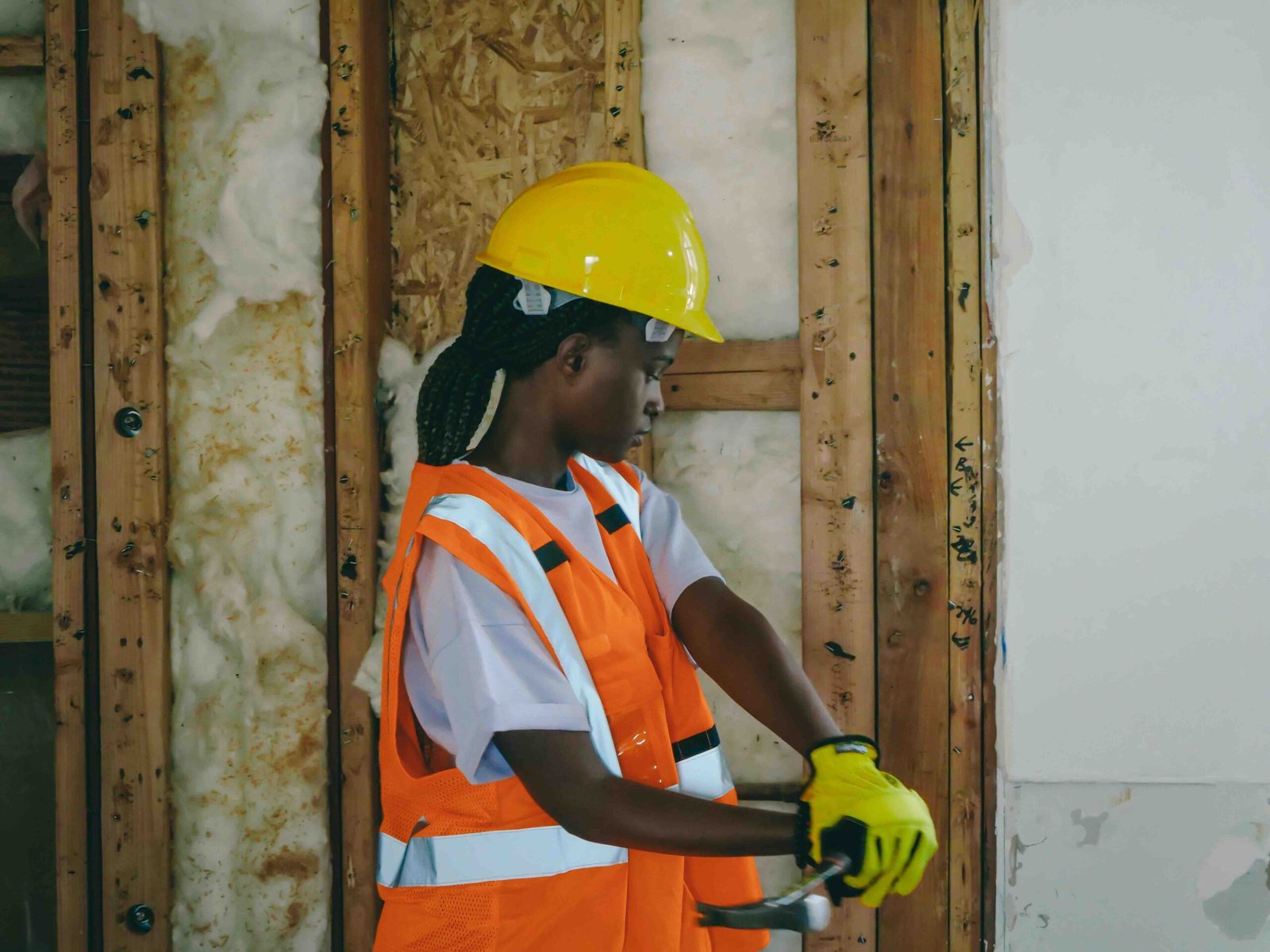
Installation must be handled properly. That means fully dry concrete subfloors, smooth to within a 2 mm tolerance, and the use of water-based adhesives suited to tropical conditions. Without this preparation, you’re likely to face bubbling, peeling, or surface warping within months.
Well-installed vinyl delivers a seamless finish that works with contemporary villa lines. In bathrooms or other wet areas, it’s worth specifying a textured surface with an R10 slip rating. That extra bit of traction makes a noticeable difference without compromising the aesthetic.
Cleaning is straightforward, just a pH-neutral detergent and occasional attention to airflow to prevent moisture becoming trapped underneath.
Alternatives to Vinyl and the Trade-Offs
Vinyl doesn’t have the tactile luxury of teak or the visual weight of granite, but it does outperform many materials in specific zones. Ceramic tiles remain the standard for bathrooms, though their grout lines stain and their underfoot feeling can feel harsh. Timber, though beautiful, requires constant care and is often vulnerable to salt, termites, and temperature shifts.
Used thoughtfully, vinyl offers an elegant solution, especially when paired with more expressive materials in social spaces. It’s fast to install, forgiving underfoot, and works well with air-conditioned interiors where natural thermal mass is less important.
Final Thoughts
Vinyl flooring isn’t about prestige, it’s about performance. In the right context, it brings quiet comfort, easy upkeep, and climate resilience to the table. It deserves a place in any serious design conversation for tropical homes.
If you need tailored advice or top-tier architectural services, don’t hesitate to follow our blog or get in touch. And if you’re still gathering ideas, explore the Architect Samui YouTube channel. It’s full of practical videos about buying land, understanding local materials, and designing homes that truly work in a tropical climate.